7 Key Differences Between LTL and FTL Freight (When to Use Each in 2026)
The 7 practical differences between less-than-truckload (LTL) and full-truckload (FTL) freight in 2026: weight breaks, transit, cost, damage risk, service tiers, and decision rules for US shippers.
The 7 key differences between LTL and FTL freight
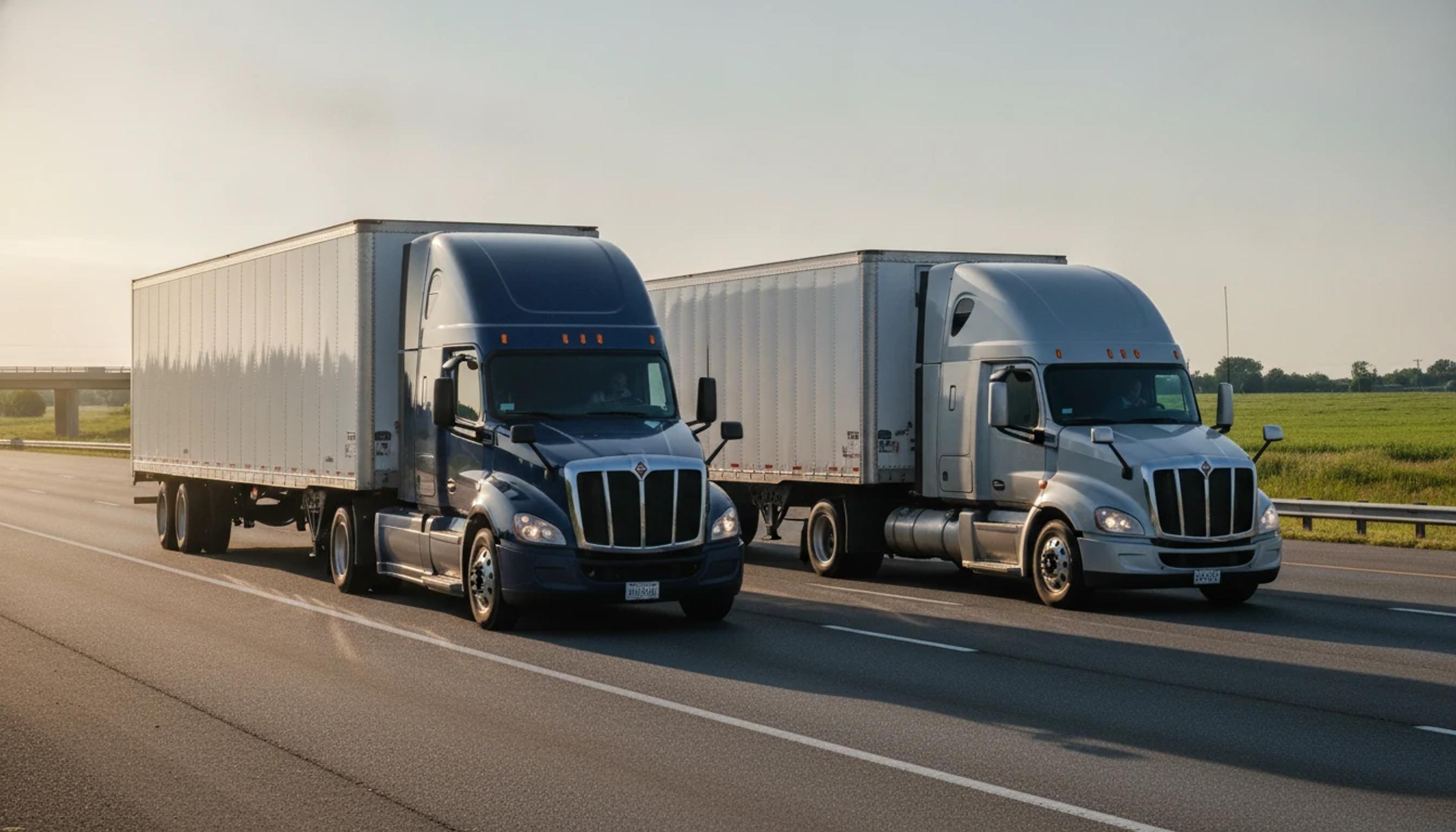
The 7 key differences between LTL and FTL freight are: (1) weight thresholds (LTL 150 to 15,000 lb, FTL over 15,000 lb typically); (2) consolidation model (LTL shares trailers across consignors, FTL is dedicated); (3) transit time and handling touches (FTL is 1 to 3 days faster with zero cross-dock touches vs LTL's 3 to 6); (4) cost structure (LTL priced by weight and freight class, FTL by mile plus fuel); (5) damage risk (LTL claims 0.1 to 0.7 percent, FTL below 0.1 percent); (6) service tier options (LTL has 7 tiers, FTL has 4 to 5); and (7) freight class requirements (LTL uses NMFC density-based classification, FTL does not). Use LTL for shipments below 15,000 lb; use FTL for larger shipments, high-value cargo that cannot tolerate cross-dock, or time-sensitive direct point-to-point movement.

Key Takeaways
- LTL (less-than-truckload) shipments weigh between 150 and 15,000 lb and share trailer space with other consignors. FTL (full-truckload) rents an entire trailer for one shipper and is priced per mile.
- The typical crossover point is 10,000 to 15,000 lb: below that range, LTL is usually cheaper; above it, FTL wins on per-pound cost.
- LTL shipments touch 3 to 6 terminals on a cross-country move. FTL shipments touch zero terminals after pickup, which is why FTL claims ratios (below 0.1%) are lower than LTL (0.1% to 0.7% by carrier).
- US cross-country FTL transit runs about 1 day per 500 miles solo driver. LA to NY (2,800 miles) is 4 to 5 days FTL; equivalent LTL runs 6 to 8 days due to cross-dock consolidation.
- LTL uses the NMFC density-based freight class system (13-tier scale under NMFTA Docket 2026-1 effective February 6, 2026). FTL does not use freight class.
- LTL offers 7 distinct service tiers (Standard, Economy, Priority, Guaranteed, Guaranteed AM, Expedited, White Glove). FTL offers 4 or 5 (Standard dry van, Guaranteed, Expedited team-driver, and specialized equipment like reefer, flatbed, step deck, RGN).
- Partial truckload (PTL) sits between LTL and FTL for 5,000 to 15,000 lb freight, sharing a trailer with only two or three consignors and reducing cross-dock handling versus LTL.
What Are LTL and FTL Freight?
LTL and FTL are the two main modes of US road freight shipping for palletized cargo. LTL (less-than-truckload) means your shipment shares a trailer with freight from other consignors, consolidated at LTL carrier terminals. FTL (full-truckload) means you rent the entire trailer for exclusive dedicated movement from one origin to one destination. A third middle option, partial truckload (PTL), sits between them.
1. Weight and Volume Thresholds
LTL is designed for shipments between roughly 150 lb (the parcel-carrier ceiling) and 15,000 lb (the practical LTL ceiling before FTL becomes cheaper per pound). Some carriers will accept LTL up to 20,000 lb, but the pricing model becomes uncompetitive well before the upper bound.
| Mode | Typical weight range | Typical dimension limit |
|---|---|---|
| Parcel (UPS, FedEx Ground) | Under 150 lb | 108 inches max any side |
| LTL | 150 to 15,000 lb | Standard palletized freight |
| Partial truckload (PTL) | 5,000 to 15,000 lb | 6 to 18 pallets |
| FTL (full-truckload) | 10,000 to 45,000 lb usable payload | 26 pallets on a 53-foot dry van |
2. Consolidation Model (Multi-Consignor vs Dedicated)
LTL trailers are loaded with freight from multiple consignors, then consolidated and sorted at LTL carrier terminals across the country. Your pallets ride alongside pallets from other shippers headed to nearby destinations. FTL trailers are dedicated to one shipper for one origin-to-destination move, with no other consignors sharing the trailer.
The consolidation model drives the entire cost and transit-time difference between LTL and FTL. LTL is cheaper because the trailer cost is shared across consignors. FTL is faster because there are no intermediate stops.
3. Transit Time and Handling Touches
A US cross-country FTL move (Los Angeles to New York, ~2,800 miles) takes 4 to 5 days door-to-door with a solo driver. The equivalent LTL move takes 6 to 8 days because the freight passes through 3 to 6 LTL carrier terminals for sort and re-consolidation between origin and destination.
| Lane | FTL transit | LTL Standard transit |
|---|---|---|
| Atlanta to Dallas (~780 mi) | 1 to 2 days | 2 to 3 days |
| Chicago to Denver (~1,000 mi) | 2 to 3 days | 3 to 4 days |
| Los Angeles to New York (~2,780 mi) | 4 to 5 days | 6 to 8 days |
| Seattle to Miami (~3,300 mi) | 5 to 6 days | 7 to 9 days |
4. Cost Structure and Pricing Model
LTL is priced by weight, freight class (NMFC), origin-to-destination lane, and accessorial services. FTL is priced per mile plus fuel surcharge, with modifiers for equipment type, lane balance, and market demand.
| Pricing input | LTL | FTL |
|---|---|---|
| Weight | Yes, primary driver | Not directly (you rent whole trailer) |
| Freight class (NMFC) | Yes, primary driver | No |
| Distance / miles | Indirect (via lane) | Yes, primary driver |
| Fuel surcharge | Yes, per-mile add | Yes, per-mile add |
| Accessorials (liftgate, residential, etc.) | Common | Uncommon (dedicated equipment) |
| Volume commitment discounts | Available at 500+ shipments/year | Available at contract level |
For a 5,000 lb, Class 70 palletized shipment on a 500-mile lane, typical all-in LTL cost runs $800 to $1,400 depending on carrier and accessorials (FreightRate marketplace quote data, Q2 2026). Typical FTL cost for the same lane is $1,800 to $2,600 for a 53-foot dry van. Under 15,000 lb, LTL is usually cheaper on a total-cost basis. Above 15,000 lb, FTL usually wins.
5. Damage Risk and Claims Ratio
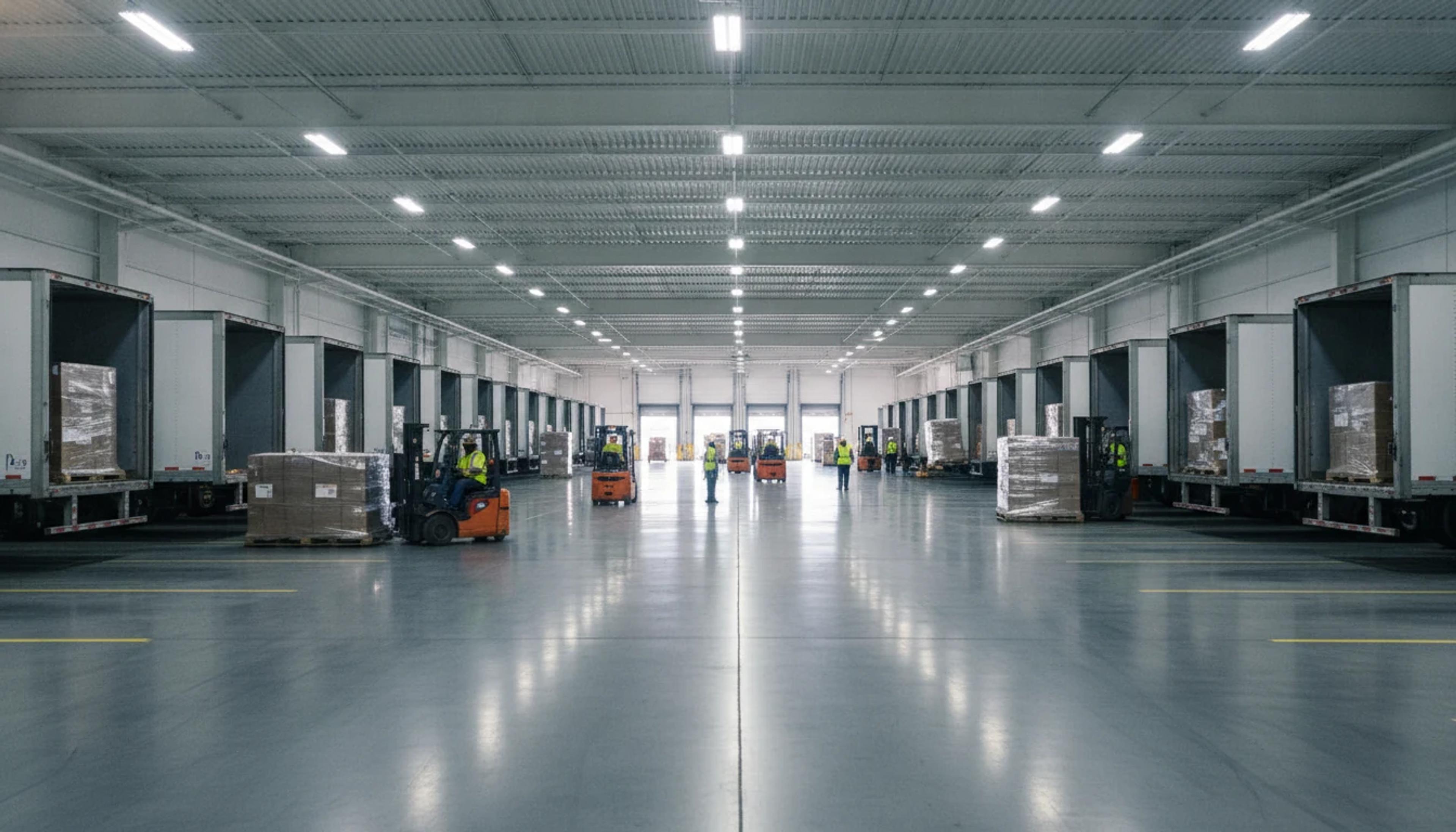
LTL freight passes through 3 to 6 handling touches on a cross-country move (pickup, origin terminal, linehaul, destination terminal, delivery). Every handling touch is a damage risk. FTL has zero handling touches after pickup because the same trailer moves from origin dock to destination dock without opening.
| Mode | Typical claims ratio | Handling touches (cross-country) |
|---|---|---|
| FTL | Below 0.1% | 0 (sealed at origin) |
| LTL (best carriers) | 0.1% | 3 to 6 terminal touches |
| LTL (mid-tier) | 0.3 to 0.5% | 3 to 6 terminal touches |
| LTL (lower tier) | 0.6% and above | 3 to 6 terminal touches |
6. Service Tier Options
LTL offers 7 distinct service tiers thanks to the consolidation model, which creates room for prioritization within the sort dock and outbound trailer selection. FTL offers fewer tier options because the whole trailer is dedicated regardless of tier.
| Service tier count | LTL | FTL |
|---|---|---|
| Standard | Yes | Yes (standard dry van) |
| Economy or Deferred | Yes (FedEx Economy, etc.) | Rare |
| Priority | Yes (FedEx Priority) | Rare |
| Guaranteed (end of day) | Yes at all top 7 carriers | Yes |
| Guaranteed AM (noon or 5 PM) | Yes on major lanes | Available |
| Expedited (team drivers) | Yes | Yes |
| White Glove | Yes | Rare |
| Specialized equipment (reefer, flatbed, step deck, RGN) | No | Yes |
7. Freight Class and NMFC Requirements
LTL uses the NMFC (National Motor Freight Classification) system to price shipments. NMFTA transitioned NMFC from commodity-based to density-based classification on July 19, 2025, followed by Docket 2026-1 revisions on February 6, 2026 that expanded the density scale from 11 to 13 tiers (adding classes 50 and 55) and consolidated approximately 2,000 legacy commodity items.
FTL does not use freight class because you rent the entire trailer regardless of what is inside. FTL pricing depends on lane distance, equipment type, and lane balance.
Summary Comparison Table
| Dimension | LTL | FTL |
|---|---|---|
| Weight range | 150 to 15,000 lb | 10,000 to 45,000 lb |
| Consolidation | Multi-consignor shared | Single consignor dedicated |
| Handling touches (cross-country) | 3 to 6 terminals | 0 (direct) |
| Cross-country transit (LA to NY) | 6 to 8 days | 4 to 5 days |
| Pricing model | Weight + freight class + lane | Per mile + fuel + equipment |
| Typical claims ratio | 0.1 to 0.7% | Below 0.1% |
| Freight class (NMFC) | Yes | No |
| Service tier count | 7 distinct tiers | 4 to 5 tiers |
| Best for weight range | Below 15,000 lb | Above 15,000 lb |
| Best for damage-sensitive freight | No | Yes |
| Best for time-critical direct | No | Yes |
| Best for cost-sensitive small shipments | Yes | No |
Decision Rule: When to Use LTL vs FTL
- Use these five practical decision rules to pick the right mode for a specific shipment:
- Under 15,000 lb and not damage-sensitive: LTL is almost always the right answer.
- Over 15,000 lb: FTL is almost always cheaper per pound. Get a truckload quote first.
- Damage-sensitive freight over $500 retail value: FTL to eliminate cross-dock handling touches, even if the weight would otherwise suggest LTL.
- Time-critical with a firm delivery commit date: FTL for lanes over 1,000 miles, guaranteed LTL for shorter lanes.
- Between 5,000 and 15,000 lb with mixed characteristics: quote partial truckload (PTL) alongside LTL and FTL to find the middle-cost option.
Frequently Asked Questions
What is the difference between LTL and FTL freight?
LTL (less-than-truckload) shipments share trailer space with other consignors and typically weigh 150 to 15,000 lb. FTL (full-truckload) rents the entire trailer for one shipper, typically for shipments over 15,000 lb or when dedicated equipment is required. LTL is priced by weight, freight class, and lane; FTL is priced per mile plus fuel surcharge.
When should I use LTL vs FTL?
Use LTL for shipments between 150 and 15,000 lb where sharing trailer space is acceptable. Use FTL for shipments over 15,000 lb, freight that cannot tolerate cross-dock handling, high-value cargo where damage risk matters, time-sensitive freight requiring direct point-to-point movement, or when you have enough volume to fill a trailer economically.
Is LTL cheaper than FTL?
Yes for small shipments. LTL is more economical below approximately 10,000 to 15,000 lb because you only pay for the space and weight your freight consumes. Above 15,000 lb, FTL typically becomes cheaper on a per-pound basis because the total truck cost is spread across more freight.
How long does LTL vs FTL freight take?
FTL is faster because the truck moves directly from origin to destination with no cross-dock stops. LTL includes multiple terminal handling touches (typically 3 to 6 terminals on a cross-country move) that add 1 to 3 transit days versus equivalent FTL. Los Angeles to New York (~2,800 miles): LTL 6 to 8 days, FTL 4 to 5 days solo driver.
What is the maximum weight for LTL freight?
Most US LTL carriers accept shipments up to 15,000 to 20,000 lb before recommending partial truckload or full truckload alternatives. Above this weight the LTL pricing model becomes uncompetitive versus FTL, and cross-dock handling stress on heavy freight increases damage risk.
Does LTL freight have more damage risk than FTL?
Yes. LTL freight moves through multiple terminals (typically 3 to 6 handling touches on a cross-country move) versus zero handling touches on FTL after pickup. Industry claims ratios reflect this: LTL claims run 0.1% to 0.7% of shipments depending on carrier; FTL claims are typically below 0.1%.
What is partial truckload freight?
Partial truckload (PTL) is a middle option between LTL and FTL. A trailer is shared by two or three consignors with less consolidation handling than LTL. Common weight range: 5,000 to 15,000 lb. PTL typically prices between LTL and FTL rates and reduces damage risk compared with LTL.
Do LTL and FTL use the same freight class system?
LTL uses the NMFC freight class system (updated to a 13-tier density-based scale under NMFTA Docket 2026-1 effective February 6, 2026). FTL does not use freight class because you rent the whole trailer regardless of what is inside. FTL pricing depends on lane distance, equipment type, and lane balance.
Can I ship the same freight as LTL or FTL?
Yes for freight in the middle weight range (roughly 5,000 to 15,000 lb). The right choice depends on cost sensitivity, transit urgency, and damage risk tolerance for the specific commodity. Get quotes for both modes on a marketplace and compare landed cost including accessorials.
Are LTL and FTL service tiers the same?
No. LTL offers 7 service tiers (Standard, Economy, Priority, Guaranteed, Guaranteed AM, Expedited, White Glove). FTL offers fewer tier options: standard dry van, guaranteed on-time, expedited team-driver service, and specialized equipment (reefer, flatbed, step deck, RGN). LTL tier differentiation is greater because the consolidation model creates more room for prioritization.
Bottom Line for US Shippers
The LTL vs FTL choice is not a preference. It is a math problem driven by weight, distance, damage tolerance, and time-sensitivity. For freight in the 5,000 to 15,000 lb middle range, quote both modes plus partial truckload on the same lane through a marketplace and compare landed cost. On any specific shipment, either mode can win by 20 to 40 percent depending on the exact numbers.
Get quotes across LTL and FTL from 25 or more US carriers in 30 seconds at freightrate.com/freight-calculator.
- FreightRate.com Editorial Team