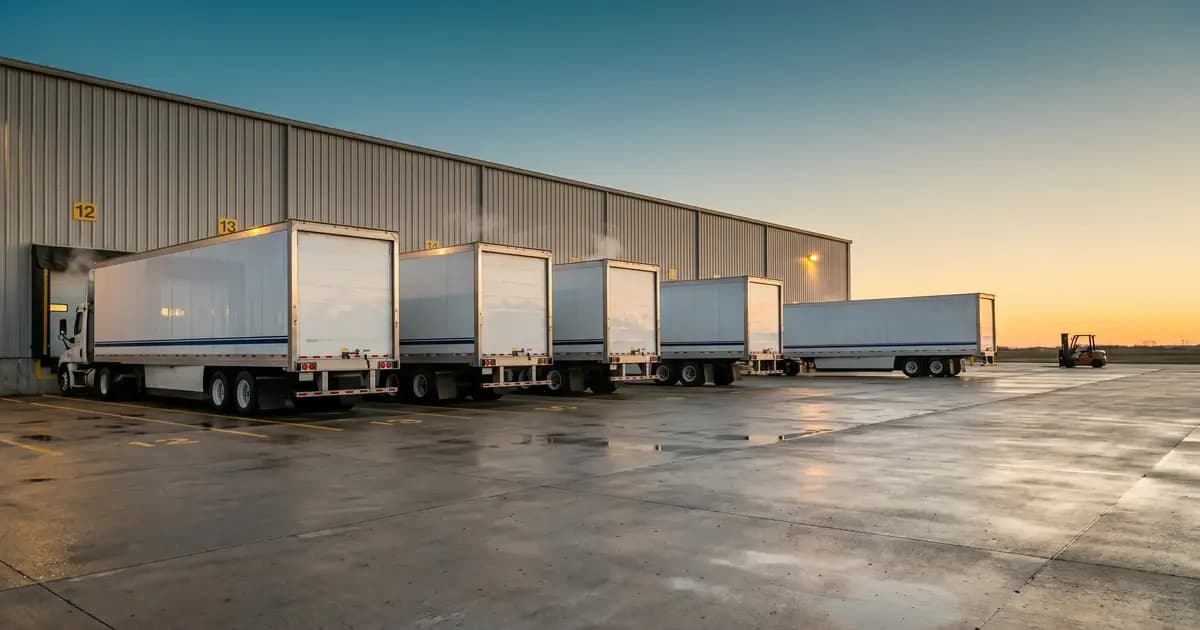
Debunking 7 Myths About Getting the Cheapest Freight Quote
Many first-time shippers assume the lowest number on a bid is the best path to savings. That belief hides risk: hidden charges, lower service levels, and higher damage rates can cost your business more over time.

Table of contents
- Shipping in the United States today: why chasing the lowest rate can raise your total costs
- Not all carriers and brokers are the same: specialization, networks, and the value of a vetted partner
- Insurance and delivery realities: liability limits, FOB terms, and ETA expectations
- Classification, fees, and claims: where accuracy and transparency prevent surprise charges
- FAQ
Loading...
Shipping in the United States today: why chasing the lowest rate can raise your total costs
This listicle clarifies which common claims hurt your margins and shows how to judge total landed cost. Learn to weigh rates, accessorials, transit risk, and claims handling so customers and production stay on schedule.
Good partners pre-vet carriers, specialize by cargo and equipment, and use digitized documentation to speed claims. Use LTL or shared-load options when they match your loads, and prefer transparent pricing to surprise charges.

Choosing the lowest line on a carrier bill can look smart, but it often hides real costs. A base rate tells only part of the story. Service levels, accessorials, and network strength shape the true expense of moving goods.
Understand the ripple effects. Price-only choices can create delays, missed delivery windows, and extra handling fees that hurt customer satisfaction and your logistics metrics.
- Small rate cuts can be erased by a single reattempt, detention, or return-to-shipper event.
- Low offers may exclude accessorials like liftgate or limited-access charges that surface after tender.
- Weak coverage or poor tracking increases time risk and adds claims work for your team.
| Measure | Base Rate | Total Impact |
|---|---|---|
| On-time % | Low | Delays raise costs |
| Claims Ratio | Unknown | Damages increase costs |
| Coverage | Limited | Operational friction |
Tip: Use brokers and lane history to compare rates alongside on-time performance, claims ratios, and accessorial patterns. That approach protects your supply chain and your business from unpleasant surprises.
cheapest freight quote myths: price vs. value in real-world freight shipping
A superficially low rate may hide the extra charges and service gaps you’ll pay for later. That single line item rarely captures accessorials, reclass fees, or the administrative cost of claims.
Hidden fees and surcharges that turn “cheap” into costly
Low base rates often exclude common add-ons. Liftgate, limited-access, appointment, redelivery, reweigh, and storage fees can erase any initial savings.
Service quality, communication, and the risk of carriers cutting corners
Carriers chasing thin margins sometimes shortcut handling or tracking. Poor coordination raises damage and delay risk and forces staff to spend time on claims.
Total landed cost: factoring damages, delays, and reputational impact
Measure total cost by adding base rate, accessorials, expected damage probability, delays, and claims admin time. The true expense often exceeds the quoted number.
When the lowest rate is the wrong option for your business case
Flag rock-bottom offers, vague accessorial language, and limited tracking as red signals. Require written terms and KPIs (on-time, damage ratio, claims cycle time) to protect customers and brand value.
- Pro tip: Run scenario comparisons—higher-rate carriers with fewer claims can be cheaper overall.
- Standardize quotes to show included and excluded charges before you book.
| Measure | Low-Rate Carrier | Value Carrier |
|---|---|---|
| Base rate | Lower | Moderate |
| Accessorials | Often excluded | Transparent |
| Damage & delays | Higher likelihood | Lower likelihood |
| Total landed cost | Uncertain, often higher | Predictable, often lower |
Not all carriers and brokers are the same: specialization, networks, and the value of a vetted partner
Not every carrier or broker brings the same mix of skills, equipment, and lanes to your shipping needs. Capabilities differ by cargo type, coverage areas, and available equipment. That affects handling, transit, and claims outcomes.
Many companies specialize in niches like refrigerated loads, heavy haul, or urgent same-day moves. Brokers add value by pre-vetting freight carriers, negotiating capacity, and managing exceptions outside standard lanes.
Choose fit over fame. A regional carrier with the right equipment may deliver better transit reliability and lower damage rates than a national brand with the wrong setup.
- Compare capabilities: specialized services, equipment, and lane coverage change transit and handling quality.
- Leverage brokers: a vetted partner can match your shipment profile to pre-vetted freight carriers and manage claims.
- Balance scale and service: large carriers provide capacity; smaller ones often offer flexible, personalized service.
- Reduce risk via vetting: verify safety ratings, insurance, on-time performance, and claims ratios before onboarding companies.
- Build a diversified bench to balance cost, resilience, and service coverage for businesses.
| Provider Type | Strength | Typical Use |
|---|---|---|
| Large carrier | Network scale, capacity | High-volume lanes, national transport |
| Regional carrier | Local expertise, tailored service | Specialized routes, tight appointments |
| Broker | Market access, carrier vetting | Capacity gaps, exception handling |
Insurance and delivery realities: liability limits, FOB terms, and ETA expectations
Understanding who owns risk and what ETAs truly mean prevents costly surprises. Standard carrier liability often reimburses only cents per pound, which leaves a gap for high-value goods. Additional insurance is essential when declared value exceeds that minimal protection.
Carrier liability is often “cents on the pound”: why additional coverage matters
Relying on basic coverage can expose you to large losses if damage occurs. For valuable items, buy supplemental policies or declared-value coverage before pickup.
FOB Origin vs. FOB Destination: who owns risk in transit and who files claims
FOB Origin transfers risk at pickup; the consignee handles claims. FOB Destination keeps risk with the shipper until delivery. State these terms clearly to avoid disputes.
Delivery “time” is an estimate: weather, congestion, and peak-season capacity
ETAs are not guarantees. Plan realistic buffers for weather, congestion, and seasonal surges so production and the supply chain stay running.
- Document proactively: capture BOLs, signed receipts, photos, and proof of value.
- Act fast on damage: note exceptions on the POD, keep packaging, and file claims with BOL and photos.
- Use lane history and choose service levels that match urgency and reliability needs.
| Issue | Practical step | Benefit |
|---|---|---|
| Low liability | Buy supplemental insurance | Full recovery for high-value goods |
| Unclear FOB | Specify terms in contract | Faster claim assignment |
| ETA variability | Build time buffers | Reduced downtime and fewer rush costs |
Classification, fees, and claims: where accuracy and transparency prevent surprise charges
Correct classification and clean paperwork stop surprise charges before they start. Price depends on class, density, dimensions, and HTS codes. Errors here trigger reweighs, reclass events, and shipment delays that raise overall cost.
Misclassification risks are real: carriers can apply reclass charges, hold loads for inspection, or flag intentional errors for compliance reviews. That creates delays and possible legal exposure for companies and shippers.
Digitized documentation speeds claims and reduces administrative drag. Timestamped photos, online BOLs, and digital packing lists compress cycle time and improve service outcomes.
- Price fundamentals: class, density, and dimensions determine how carriers price and handle goods.
- Avoid reclass charges: weigh and measure pallets before pickup and record evidence.
- Get HTS right: proper codes reduce cross-border friction and compliance risk.
- Process control: standardize BOL templates, photos, and digital claims to lower disputes and delays.
| Issue | Practical step | Benefit |
|---|---|---|
| Misclassification | Validation loop at dock (weigh/measure/photo) | Fewer reclass events and faster deliveries |
| Paper claims | Move to online submissions with timestamps | Shorter claim cycles and better recoveries |
| Billing mismatch | Audit invoices against orders | Catch misbilled charges early and control cost |
Smarter shipping options that lower expenses without gambling on quality
Right-sizing shipments and choosing the proper mode can lower your transport spend and keep delivery promises.
Use proven options that balance cost and service. LTL and shared-load approaches let you match cube to demand so smaller moves don't carry full-truck costs.
LTL and shared-load choices
Combine small orders into shared loads to cut per-shipment expenses while keeping reliable transit windows.
These options reduce empty space and can improve carrier performance on consistent lanes.
Operational wins at pickup and intake
Free or scheduled pickups save dock time and driver wait. SCAN forms and simple manifests let staff batch intake with one barcode.
That speeds acceptance, strengthens visibility for customers, and lowers handling costs.
Mode selection that fits reality
Air is not always faster once first- and last-mile handling and customs are counted. Ocean moves can be more efficient on long lanes.
Pick modes by total transit time and cost, not only headline speed.
Transparent pricing over hidden fees
Choose carriers and services with clear inclusions to avoid surprise charges at delivery.
Plan, pilot, and measure: consolidate orders, test lanes with different providers, and rebid as volume grows to lock in savings and protect supply goals.
- Right-size moves with LTL/shared-load options.
- Use scheduled pickups and SCAN manifests to speed intake.
- Match mode to true transit reality—air isn’t always quickest.
- Prefer transparent rates and clear service terms.
| Option | Best use | Benefits |
|---|---|---|
| LTL / shared-load | Smaller shipments, variable demand | Lower per-shipment expenses, better space use |
| Scheduled pickups | Regular lanes with set windows | Reduced dock time, faster acceptance |
| Ocean vs. Air | Long lanes, high volume | Lower cost per unit, predictable transit |
Conclusion
Value-driven choices protect delivery quality and keep your supply chain steady. Don’t chase a low line if it invites hidden fees, cut corners, or more damage over time.
Align with carriers and freight carriers that match your lanes and areas. Set clear FOB terms, document condition at pickup, and close claims fast to reduce impact on the chain.
Use LTL/shared-load options, scheduled pickups, and SCAN manifests to move many shipments without bloating time at the dock. Keep classification accurate and digitize claims to cut disputes and process time.
Measure on-time, claims, and fees per order. Re-evaluate rates and services regularly and run a pilot case to validate savings while protecting delivery and business continuity.
FAQ
Why can the lowest shipping rate increase my total costs?
A rate that looks low up front often omits accessorials, fuel surcharges, reweighting, or detention fees. Those charges, plus higher damage risk from carriers cutting corners, can push your landed cost above a more transparent, slightly higher bid. Focus on total landed cost and service inclusions rather than a single line-item price.
How do hidden fees and surcharges typically appear on invoices?
Common surprises include residential delivery, liftgate, inside delivery, reweigh, address corrections, and fuel recovery. Brokers and carriers may label them differently. Request an itemized estimate and a copy of standard tariff or terms so you can compare true out-the-door charges.
What role does freight classification and density play in pricing?
Carriers use freight class, dimensions, and density to allocate space and liability. Misstating weight, dimensions, or NMFC class triggers reclassification, reweighing, and back charges. Accurate measurements and correct HTS or NMFC codes prevent surprise bills and delays.
Are all carriers equally reliable if they offer a low rate?
No. Network reach, equipment condition, driver experience, and claims handling vary widely. Large carriers can offer scale while regional or specialized carriers may deliver faster or safer handling for certain lanes. Vet carriers for on-time performance, insurance limits, and references.
When should I buy additional cargo insurance?
Carrier liability often caps at minimal amounts like cents per pound. If your shipment value, fragility, or customer commitments exceed that limit, purchase supplemental cargo insurance or declared value coverage to protect against loss, theft, or damage.
How do FOB terms affect who bears risk and pays claims?
FOB Origin transfers ownership and risk to the buyer when goods leave the shipper’s dock, while FOB Destination keeps risk with the seller until delivery. Clarify terms in contracts so you know who files claims, who arranges insurance, and who pays for transit issues.
What steps reduce the chance of delays during peak seasons?
Build lead time buffers, confirm space with carriers early, use scheduled or guaranteed pickups, and choose lanes with proven capacity. Monitor congestion and weather; work with partners who provide proactive updates and contingency plans.
How can digitized documentation speed up claims and reduce administrative costs?
Electronic bills of lading, photos at pickup/delivery, digital signatures, and automated claim portals shorten dispute windows and support faster resolutions. These tools reduce manual entry, lost paperwork, and billing disputes that drive up expense and delay settlements.
When is LTL or shared-load a better option than full truckload or air?
LTL and shared-load options lower cost for smaller shipments and improve vehicle utilization. Choose LTL when weight/space is partial and timing is flexible. Air freight suits urgent, high-value goods but costs more; ocean freight is cost-efficient for bulky, non-urgent cargo.
How do brokers add value beyond offering low rates?
Reputable brokers leverage carrier relationships, market access, and real-time capacity to secure competitive rates and service. They vet carriers, consolidate loads, manage claims, and provide end-to-end visibility—reducing operational friction and hidden costs for shippers.
What documentation should I require from carriers to minimize disputes?
Insist on a signed bill of lading, POD with timestamps and driver name, photos of loaded condition, itemized freight invoices, and carrier certificates of insurance. Clear paperwork speeds claims and prevents chargeback disputes.
How do reweigh and reclassification charges arise and how can I avoid them?
These charges occur when actual weight or class differs from the booking info. Avoid them by accurately measuring and documenting dimensions and weights at origin, using certified scales, and confirming NMFC or HTS classifications before tendering shipments.
What operational practices cut shipping costs without hurting service?
Consolidate shipments, schedule regular pickups, use proper packaging to reduce dimensional weight, negotiate standing rates for lanes, and adopt barcode/SCAN forms to speed handling. Small process wins reduce accessorials and improve throughput.
How should I evaluate total landed cost when comparing carrier options?
Add base rate, accessorials, insurance, expected damage or delay risk, storage or detention exposure, and potential customer service impacts. Model scenarios for on-time percentage, claims history, and hidden fees to reveal the option that minimizes real business expense.