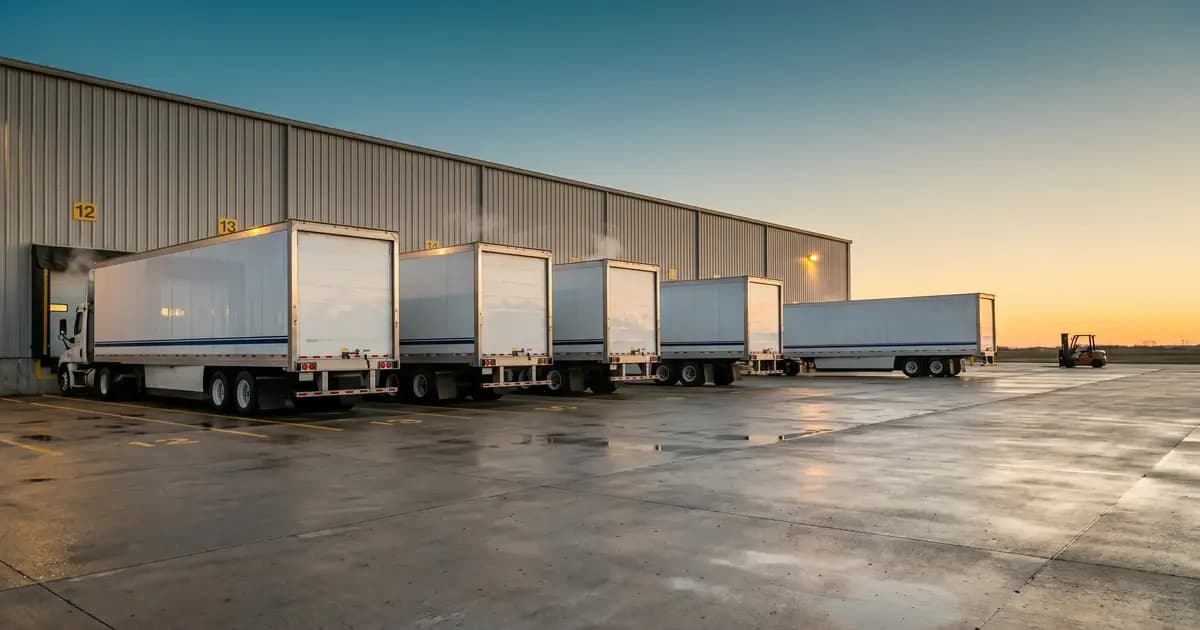
What Is UPS Freight LTL? A Complete Guide for Small and Medium Businesses
One striking stat: millions of partial-truck shipments move across North America each year, letting companies share trailer space and cut costs dramatically.
What is UPS Freight LTL and how it works in the present day
Less-Than-Truckload means multiple shippers load a single trailer and each pays only for the room they use. This model makes shipping more affordable than hiring a full truck and suits many small and medium businesses that fall between parcel and full-truck needs.
Branding changed when UPS Freight’s operations became TForce Freight under TFI International, yet many search the legacy name. The service offers common accessorials such as liftgate, inside pickup and delivery, hazardous handling, and PRO-based tracking.
This introduction previews practical topics ahead: pricing drivers, packaging and palletizing tips, delivery choices, tracking tech, and how to match shipment size to the right service tier. For growing businesses, LTL can be a strategic solution to lower total logistics cost while keeping delivery predictable.
Key Takeaways
- LTL lets shippers share trailer space and pay only for used capacity.
- Many still search legacy branding despite rebrand to TForce Freight.
- Accessorials and PRO tracking add flexibility and visibility.
- Best for shipments too big for parcel but not for full trucks.
- Later sections cover pricing, packaging, delivery choices, and comparisons.

Today’s LTL model blends legacy operations with updated digital tools. After the transition of UPS Freight to TForce Freight under TFI International, core services such as liftgate, inside delivery, and hazardous handling remain in place. Billing platforms and online portals received upgrades, but pickup and terminal workflows stay familiar to many shippers.
FromUPS Freight to TForce Freight: changes and continuity
The rebrand moved accounts and tracking into new systems while preserving carrier relationships. Shippers find the same service choices and accessorials, now supported by refreshed tech for booking and billing.
How consolidations cut cost and reduce emissions
Terminals stage pallets from several businesses, then linehaul runs move combined loads overnight. Destination terminals break bulk and schedule final delivery. By filling trailer space, ltl carriers reduce cost per pallet and lower fuel per shipment.
- End-to-end process: book, pickup, linehaul, destination handling, delivery.
- Transit options: standard, guaranteed, and accelerated guaranteed affect transit times.
| Step | Location | Impact |
|---|---|---|
| Staging | Origin terminal | Consolidation of pallets |
| Linehaul | Between centers | Efficient long-haul moves |
| Break-bulk | Destination terminal | Sort for final mile |
| Delivery | Customer site | Scheduled drop with accessorials |
Key advantages of LTL shipping for small and medium businesses
When businesses share trailer capacity, each pays less and often gets a single coordinated delivery. This model lets companies save shipping by using only the space they need.Smaller operations avoid paying for unused truck space and reduce the number of pallets per move.
Cost and inventory benefits: Consolidation cuts shipping costs and brings full-order deliveries. Receiving a whole order at once lowers inbound handling and speeds stock putaway.
Save on cost and reduce environmental impact
Shared linehauls cut total miles and emissions per delivery. That makes this approach a practical sustainability step for businesses tracking corporate responsibility goals.
Handle larger, odd-shaped items with fewer limits
TForce Freight notes relaxed packaging limits compared with parcel networks. This flexibility reduces repacking, oversized fees, and the risk of damage when items are irregular.
- Delivery reliability: Guaranteed and accelerated options support time-definite shipments without resorting to costly air moves.
- Damage mitigation: Proper palletizing and secure blocking reduce touches during consolidation.
- Scalable solution: Ideal for companies growing out of parcel but not yet at full-truck volumes.
UPS Freight LTL services and delivery options
Carriers now offer tiered transit choices that match speed and budget for varied shipment needs.
Transit tiers for routine and time-definite moves
Standard covers general shipments with reliable transit and balanced cost. It fits routine pallets and non-urgent deliveries.
Guaranteed gives a delivery date commitment for time-sensitive loads. Use it when a receiving team needs a fixed arrival.
Accelerated Guaranteed speeds transit, often up to three days faster than standard lanes for urgent commitments.
Accessorials and handling options
Add a liftgate when docks are unavailable. Choose inside pickup or inside delivery for sites with limited access or extra handling needs.
Special services and documentation
Carriers support hazardous materials handling, temperature-controlled pallets, expedited moves, and international lanes for cross-border shipping.
Electronic Delivery Receipts appear in MyLTL Documents to speed proof-of-delivery workflows and reduce paperwork.
- Match tiers to delivery windows to avoid extra fees.
- Pick accessorials based on site conditions and product fragility.
- Use tracking and Quantum View tools for visibility and delivery notifications.
| Option | Best for | Transit benefit | Notes |
|---|---|---|---|
| Standard | Routine pallets | Cost-effective | Good for non-urgent moves |
| Guaranteed | Time-definite shipments | Date commitment | Plan receiver staffing |
| Accelerated Guaranteed | Urgent deliveries | Faster transit (up to 3 days) | Higher cost, faster arrival |
| Special services | Hazmat, temp-controlled, international | Handled per need | Declare requirements at booking |
Pricing, freight rates, and how to save on shipping costs
Understanding rate drivers helps you pick the best service and keep landed cost low. Start by breaking quotes into clear inputs so you can compare offers fairly.
What drives a freight price
Carriers combine weight breaks, distance (zone), and dimensions to set a freight rate. Dimensional weight can change a quote for light, bulky pieces.
Accessorials such as liftgate or inside delivery add per-shipment fees. Accurate weight and size declarations prevent unexpected charges at delivery.
Comparing carrier options side-by-side
TForce Freight and parcel networks let shippers run side-by-side comparisons for multi-package 151–500 lb shipments. For many of these loads, UPS Ground with Freight Pricing can cut charges by up to 20%.
| Program | Best for | Key savings |
|---|---|---|
| Traditional LTL | Palletized, heavy, odd-shaped | Better rates on large pallet moves |
| UPS Ground w/ Freight Pricing | Multi-package 151–500 lb | Lower fuel surcharges; no pallet, liftgate, inside delivery fees |
| Parcel network | Non-palletized pieces under size limits | Day-definite delivery using parcel lanes |
Practical tactics to lower total cost
- Declare accurate dimensions and weight to avoid surprise fees.
- Confirm accessorial needs at booking and remove unneeded options.
- Use rating tools to get multiple scenarios, then lock the selection that balances transit and budget.
- Remember parcel limits: 150 lb per piece; size caps apply when you choose non-palletized alternatives.
Tip: For many shippers, the best savings come from matching shipment profile to the right service and using online tools to compare quotes before booking.
Preparing your LTL shipment: packaging, palletizing, and paperwork
A well-prepared pallet moves through the network faster and with fewer surprises. Start by picking a sturdy, undamaged pallet sized to the load. Keep product overhang to a minimum to avoid snags during handling.
Pallet selection, stacking, and securing for fewer damages
Stack square and stable. Build even layers, interlock cartons when possible, and avoid tall, narrow stacks that tip easily.
Secure the load. Use corner boards, stretch wrap from the base up, and add straps for heavy or tall pieces. These steps reduce damage and lower claim rates compared with loose handling.
Labels, PRO numbers, and accurate shipment data
Place clear labels on at least two sides with shipper and consignee info. Reference the PRO number on the Bill of Lading so the parcel and pallet track together through the system.
Provide exact weights and dimensions to prevent reweigh or re-measure charges. Declare any accessorials such as liftgate or inside delivery when you book to keep billing accurate and arrival smooth.
- Choose undamaged pallets sized to the footprint.
- Stack square, avoid overhang, interlock cartons.
- Wrap, board, and strap heavy or tall loads.
- Label two sides and include PRO on the BOL.
- Confirm weights, dims, class/density, and special instructions.
| Step | Why it matters | Tip |
|---|---|---|
| Pallet selection | Stability during handling | Match pallet to load footprint |
| Securement | Reduces damage and claims | Use wrap, straps, and corner boards |
| Documentation | Correct billing and visibility | Complete BOL, include PRO and packing list |
| Scheduling | On-time pickup and delivery | Match pickup to dock hours and staffing |
Tracking and technology: visibility tools that streamline logistics
Tracking tools now feed live status into dashboards that drive dock scheduling and customer updates. Use PRO numbers to follow shipments from pickup through linehaul to out-for-delivery milestones.
Real-time status helps teams react to exceptions fast. Quantum View Manage and Quantum View Notify push alerts and reports for pieces moving in the UPS network. These feeds reduce manual checks and keep everyone informed.
Real-time tracking with PRO numbers and proactive alerts
Enter a PRO to see location, estimated delivery, and exception notes. Configure alerts so staff and customers receive updates at key events.
Electronic delivery receipts and integrated billing options
Electronic Delivery Receipts appear in MyLTL Documents for quick proof-of-delivery access and audits. For payments, adopt TForce Freight Easy Pay via Billtrust to centralize invoicing and streamline accounting.
- Enable real-time visibility: monitor pickup, linehaul, and final-mile milestones with PRO tracking.
- Automate notifications: use Quantum View alerts to notify teams and customers of changes.
- Centralize docs and billing: access electronic receipts and use Easy Pay to sync invoices with your accounting systems.
- Improve control: dashboards reveal delays, letting you adjust dock schedules and labor plans.
| Tool | Primary use | Benefit | Integration |
|---|---|---|---|
| PRO tracking | Live shipment status | Immediate visibility of milestones | TMS, ERP, eCommerce feeds |
| Quantum View Manage/Notify | Reports and alerts | Proactive exception handling | Email, API, dashboard |
| MyLTL Documents | Proof of delivery | Faster audits and claims | Document export, PDF |
| TForce Freight Easy Pay | Invoice payments | Simplified billing and reconciliation | Accounting system import |
Comparing LTL vs multi-package programs like UPS Hundredweight
For many shippers, grouping several boxes into parcel programs can beat pallet moves on both price and speed. Multi-package options shine when orders total between 151 and 500 pounds and do not need a pallet.
When non-palletized multi-package shipments beat LTL
Parcel-based pricing that uses UPS Ground with Freight Pricing can save up to 20% versus pallet rates for the 151–500 lb band. Packages may weigh up to 150 lb each and meet size limits up to 108 inches or 165 inches length plus girth.
Note: TForce Freight acts as an authorized reseller for UPS Ground with Freight Pricing only, not other services.
Service trade-offs: accessorials, delivery windows, and tracking
Parcel programs often avoid pallet accessorials like liftgate or inside delivery, lowering out-of-pocket charges. Day-definite delivery windows give predictable arrival times for many deliveries.
By contrast, ltl carriers add handling options and appointment services for freight needing special care.
- Cost levers: lower fuel surcharges and no pallet or inside delivery fees can reduce total cost.
- Tracking: parcel offers package-level scans; consolidated freight uses PRO-based milestones for load-level visibility.
- Limits and fit: heavy or oversized pieces that exceed parcel caps must move as palletized freight.
- When to choose truckload shipments: if freight fills a trailer, full truck pricing and handling are the best option.
| Choice | Best for | Key benefit |
|---|---|---|
| Multi-package (151–500 lb) | Many boxes, no pallet | Lower cost, day-definite delivery |
| Palletized freight | Bulky or heavy items | Special handling options, appointments |
| Truckload shipments | Full trailer loads | Lowest per-unit cost at scale |
Decision framework: choosing the right option for your business
Start decisions by measuring each shipment against weight, footprint, and required delivery window. A short checklist makes selection repeatable and fast for busy teams.
Match shipment profile to service: weight, size, destination, speed
Begin with the basics: count pallets, confirm total weight, and note odd dimensions. These inputs decide whether palletized freight or a multi-package program wins on cost.
Factor destination realities. Residential drops, limited access, or no dock can require a liftgate or inside delivery and add time or fees.
Use UPS tools to rate, schedule pickups, and optimize transit times
Compare before you commit. TForce Freight lets shippers run side-by-side rating of traditional and parcel-based lanes so your business can validate the most economical path.
- Align speed and budget by choosing Standard, Guaranteed, or Accelerated Guaranteed for clear transit times.
- Schedule pickups to match dock hours and receiving capacity to avoid reattempt fees.
- Standardize playbooks: document thresholds for weight, dimensions, and service level so teams act consistently.
- Plan for exceptions with buffers for weather and capacity swings; use guaranteed options when deadlines are firm.
| Decision step | Action | Benefit |
|---|---|---|
| Profile | Weigh, measure, count pallets | Right-sized pricing |
| Destination check | Confirm access needs | Fewer surprises at delivery |
| Tooling | Use rating and scheduling tools | Lower cost, reliable transit times |
Conclusion
Combine accurate packaging, rating tools, and tracking, and your team will pick the best path for each pallet or package.
Use service tiers—Standard, Guaranteed, or Accelerated—to match speed and budget. Choose inside delivery or liftgate when sites need extra handling.
Where multi-box, non-palletized loads fall in the 151–500 lb band, consider UPS Ground with Freight Pricing to save shipping and cut shipping costs.
Keep control with PRO tracking, Quantum View alerts, and electronic delivery receipts. Document your decision rules, rate both modes side-by-side, and align services with truck and truckload capacity.
Do this and your logistics will scale with predictable pricing, clear visibility, and fewer surprises.
FAQ
What changed when UPS Freight became TForce Freight, and how does that affect shipments?
The transition transferred assets, routes, and systems to TForce Freight while keeping many operational standards intact. Customers may notice updated branding, new account portals, and altered contact points for claims and customerservice. Service offerings like regional and national LTL lanes, accessorial options, and transit commitments remain, but businesses should confirm contracts, rate tables, and pickup windows to avoid surprises.
How do shared truck loads reduce costs for small and medium businesses?
Consolidation lets multiple shippers share trailer space, so each pays for only the room they use. That spreads linehaul and fuel expenses across customers, lowering per-shipment rates. Smaller pallet counts and lighter shipments especially benefit, since carriers optimize routes and combine deliveries to improve trailer utilization and reduce empty miles.
Which delivery options are available for LTL shipments and how do they differ?
Carriers offer standard transit, guaranteed delivery by a set date, and expedited choices for faster movement. Special services include inside pickup and inside delivery, liftgate assistance, appointment scheduling, and white-glove handling. Each option carries distinct lead times and accessorial fees, so select services that match recipient needs and budget.
How can companies save on freight rates without sacrificing service?
Optimize packaging to reduce dimensions and density, consolidate multiple small shipments into one pallet, and use published rate tools to compare lanes. Negotiate contracts based on volume, avoid unnecessary accessorials by preparing accurate paperwork, and schedule regular reviews of lane pricing to capture discounts for steady volume.
Which factors most influence LTL pricing?
Carriers set rates using shipment weight, dimensional size, origin and destination zones, freight class, and any accessorial services like liftgate, residential delivery, or inside handling. Accurate measurements and correct freight classification help prevent re-rating and unexpected charges.
What packaging and palletizing practices reduce damage and fees?
Use sturdy pallets sized to fit trailer and handling equipment, stack goods evenly, and secure loads with stretch wrap and banding. Protect corners and fragile items with cushioning, and avoid overhang. Proper labeling and clear documentation help carriers handle freight correctly and lower claims risk.
Which shipping documents and data are essential for an LTL pickup?
Provide a clear bill of lading with itemized description, weight, dimensions, freight class, and declared value when needed. Include contact details for pickup and delivery locations, any appointment windows, and the correct PRO or reference numbers to enable tracking and billing.
How does real-time tracking work for LTL shipments?
Shipments use PRO numbers and carrier tracking platforms to show scan events from pickup through delivery. Many carriers offer alerts, electronic delivery receipts, and integration via APIs or shipment portals for visibility into location, exceptions, and ETA updates.
When should a business choose a palletized LTL service over a multi-package hundredweight program?
Choose palletized LTL when freight is bulky, requires pallet or pallet-jack handling, or when a single shipment exceeds the weight or quantity thresholds of multi-package programs. Hundredweight-style services can outperform LTL for many small cartons going to the same destination or when shipment consolidation across many parcels reduces handling fees.
What trade-offs exist between LTL and multi-package solutions regarding accessorials and delivery windows?
LTL often supports more specialized handling options and scheduled appointments but can incur accessorial fees for services like liftgate or inside delivery. Multi-package programs may have lower accessorial rates for standard residential delivery but offer fewer options for heavy or oversized pieces. Evaluate delivery requirements and fee structures for each lane.
How should a company match shipment profile to the right service?
Assess weight, pallet count, dimensions, destination, and required delivery speed. For heavier, palletized loads choose LTL lanes with suitable transit times and handling services. For many small parcels to the same address or destination, consider hundredweight or parcel solutions to lower per-piece cost.
What technology tools help optimize LTL shipping and billing?
Use rate-shopping platforms, carrier portals, and APIs to compare quotes, book pickups, and track shipments. Electronic billing, integrated shipping software, and visibility dashboards reduce manual errors, speed claims resolution, and support analytics for cost control and route optimization.
How can businesses avoid surprise fees on deliveries to restricted or residential locations?
Identify location type when booking, request required services like liftgate or residential delivery upfront, and confirm any appointment or access requirements. Clear site instructions and correct classification prevent reroutes, failed deliveries, and addition of accessorial charges.
What role does accurate freight class play in preventing reclassifications and extra charges?
Freight class determines rate density and liability. Understating class or misdescribing goods can trigger carrier reclassification, resulting in higher charges and delays. Use proper NMFTA guidelines or consult carrier support to assign the correct class before tendering shipments.